
 VLF testing is a valuable tool for verifying the condition of medium-voltage cable systems. However, the quality of the results depends heavily on proper setup, careful monitoring, and a clear understanding of what the test is evaluating. When test configurations introduce unintended equipment into the circuit or when terminations are not fully seated, the test can shift from a diagnostic exercise to a destructive test. The following example highlights how a seemingly minor setup issue can escalate quickly, creating costly repairs and reinforcing the importance of proper test procedures.
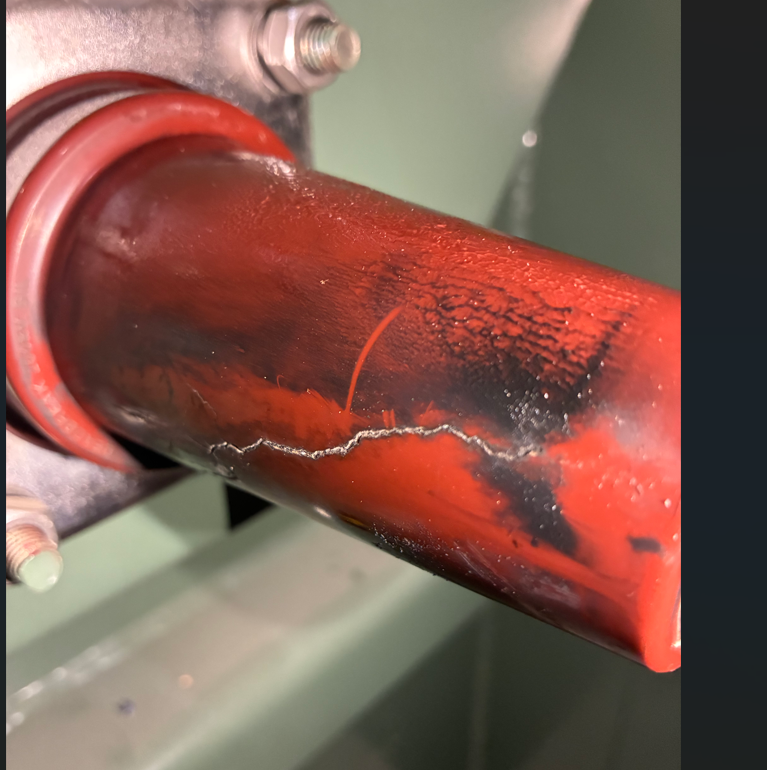
During VLF testing of a 35kV cable, while connected to the bushings of an associated oil-filled transformer, the testing firm severely damaged both a transformer bushing and the cable termination. Because the transformer had not been energized outside of this test, the evidence suggests the damage resulted from a loosely seated cable termination that created an air gap between the surface of the bushing resin and the termination body.
That condition likely caused internal arcing at the connection point between the bushing and cable termination. The testing appears to have continued for an extended period because the test data was not being actively attended to by the technician. An attentive technician should have observed the poor results and aborted the test before the damage became significant. After the incident, the bushing and cable termination components required replacement and re-testing, which caused avoidable and unnecessary cost for the client, project delays, and a serious quality-control concern for the testing firm.
Lessons and Best Practices
This incident underscores that successful VLF testing depends on more than the test itself; it requires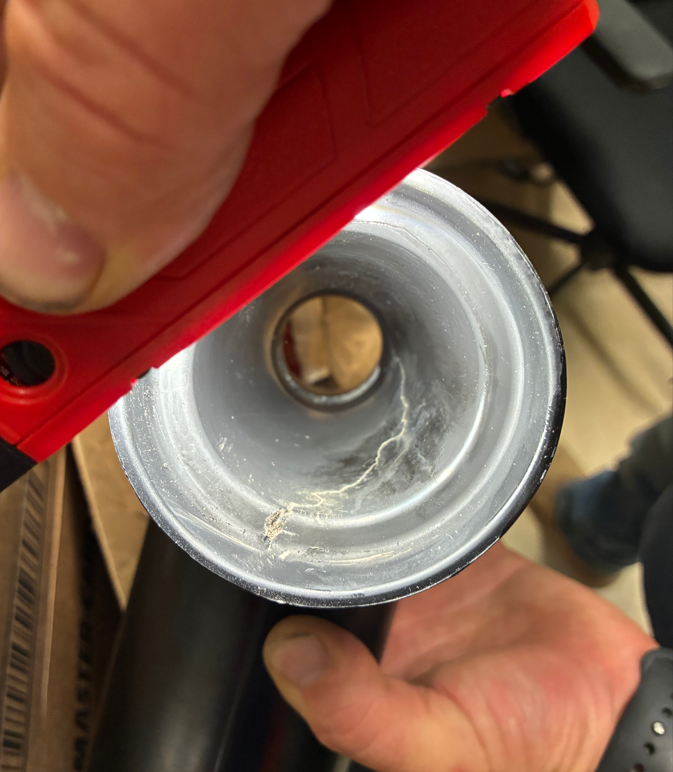 disciplined preparation, careful equipment isolation, active monitoring, and an ability to identify when test results indicate that there is a problem requiring a test to be stopped. The following best practices can help reduce the risk of preventable damage and improve the reliability of test outcomes.
This incident underscores that successful VLF testing depends on more than the test itself; it requires disciplined preparation, careful equipment isolation, active monitoring, and an ability to identify when test results indicate that there is a problem requiring a test to be stopped. The following best practices can help reduce the risk of preventable damage and improve the reliability of test outcomes.
- Avoid connecting cables to a transformer during VLF testing as transformer insulation leakage current can mask cable deficiencies and compromise test interpretation.
- Do not subject transformer internals to VLF test voltages. If cables are too short to test individually, connect the three-phase conductors together instead of testing through the transformer.
- Continuously monitor the test set and data throughout the test, so failing readings can be identified, and the test can be stopped before significant damage
- Configure the VLF test set to trip off immediately when arcing is detected rather than allowing the equipment to continue operating through a fault condition.
- Confirm all cable-to-cable connections are fully seated, tightly connected, and properly lubricated with grease to prevent air intrusion at the termination interface.
- Document and acknowledge testing errors promptly so corrective action can begin quickly, and the client relationship is protected.
VLF testing is a powerful diagnostic tool, but its value depends on proper execution from setup through interpretation of final results. This incident is a reminder that small oversights in termination, isolation, or monitoring can quickly become expensive equipment failures. By verifying every connection, appropriately isolating equipment, configuring test settings properly, and responding immediately to abnormal test data, testing teams can prevent avoidable damage, protect client assets, and deliver accurate, reliable results.